

How to Wear a Pashmina Shawl Over a Coat Without Losing Either
North Indian winters rarely commit to one temperature for an entire day. A morning cold enough for a proper coat can turn mild by afternoon and drop again after dark, which is exactly the kind of weather a pashmina shawl was built to handle, since it adds or removes warmth without the commitment a full extra layer of outerwear demands. The trick is doing it in a way where the coat still reads as a coat and the pashmina shawl for women underneath it still gets seen, rather than the two pieces cancelling each other out visually.
Why Layering Pashmina Actually Works, Where Other Fabrics Fail
Most fabrics that are warm enough to layer meaningfully are also bulky enough to fight with whatever is worn over them, adding awkward volume at the shoulders and neck rather than sitting close to the body. Fine pashmina avoids this almost entirely, since the fibre's warmth comes from trapped air rather than sheer thickness of material, which means a genuinely warming layer can sit under a coat without visibly changing its silhouette. This is the specific advantage that makes pashmina worth reaching for over a heavier scarf or wrap when a coat is already doing part of the work.
Getting the Proportions Right
A large, heavily draped shawl and a structured, fitted coat tend to compete rather than complement, each fighting for visual attention at the shoulders. A finer stole or a moderately sized shawl, tucked partly inside the coat's collar rather than draped entirely over the top of it, tends to read as considered rather than accidental. The general rule worth remembering is that the more structured the coat, the less voluminous the shawl underneath it should be, so one piece clearly leads and the other supports rather than both trying to be the main event.
Draping Techniques for Different Coats
A long, structured overcoat with a defined collar suits a shawl folded narrow and tucked in at the neck, showing only a slim strip of pattern or colour above the coat's own collar line. A looser, more casual jacket gives more room to work with, and a shawl can be allowed to drape more freely over the shoulders without disappearing into the jacket's own bulk. A shorter cropped coat or jacket pairs surprisingly well with an oversized shawl, since the shawl can take over the visual space the shorter coat leaves open below the waist, effectively finishing the outfit the coat alone does not.
Choosing the Right Shawl Specifically for This Purpose
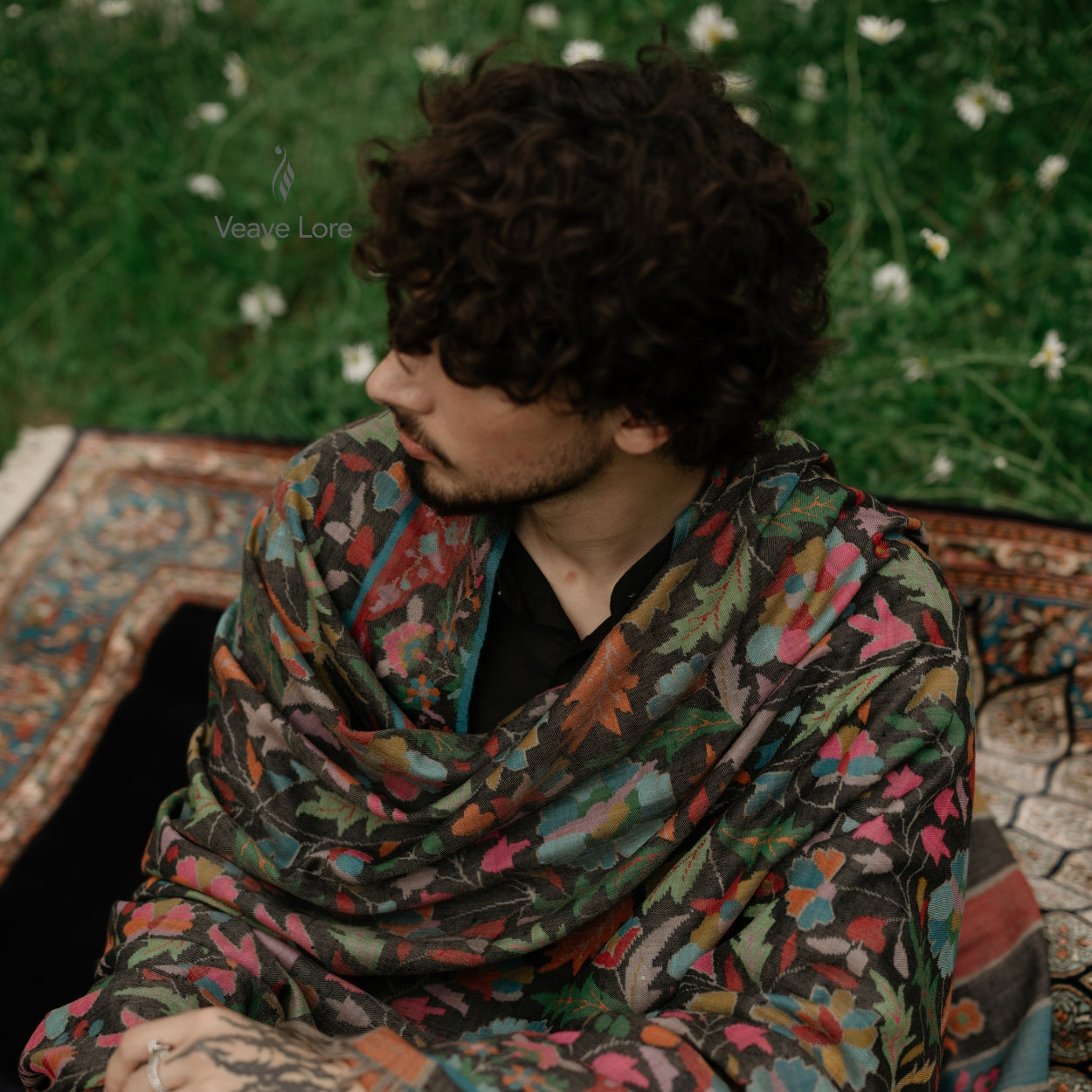
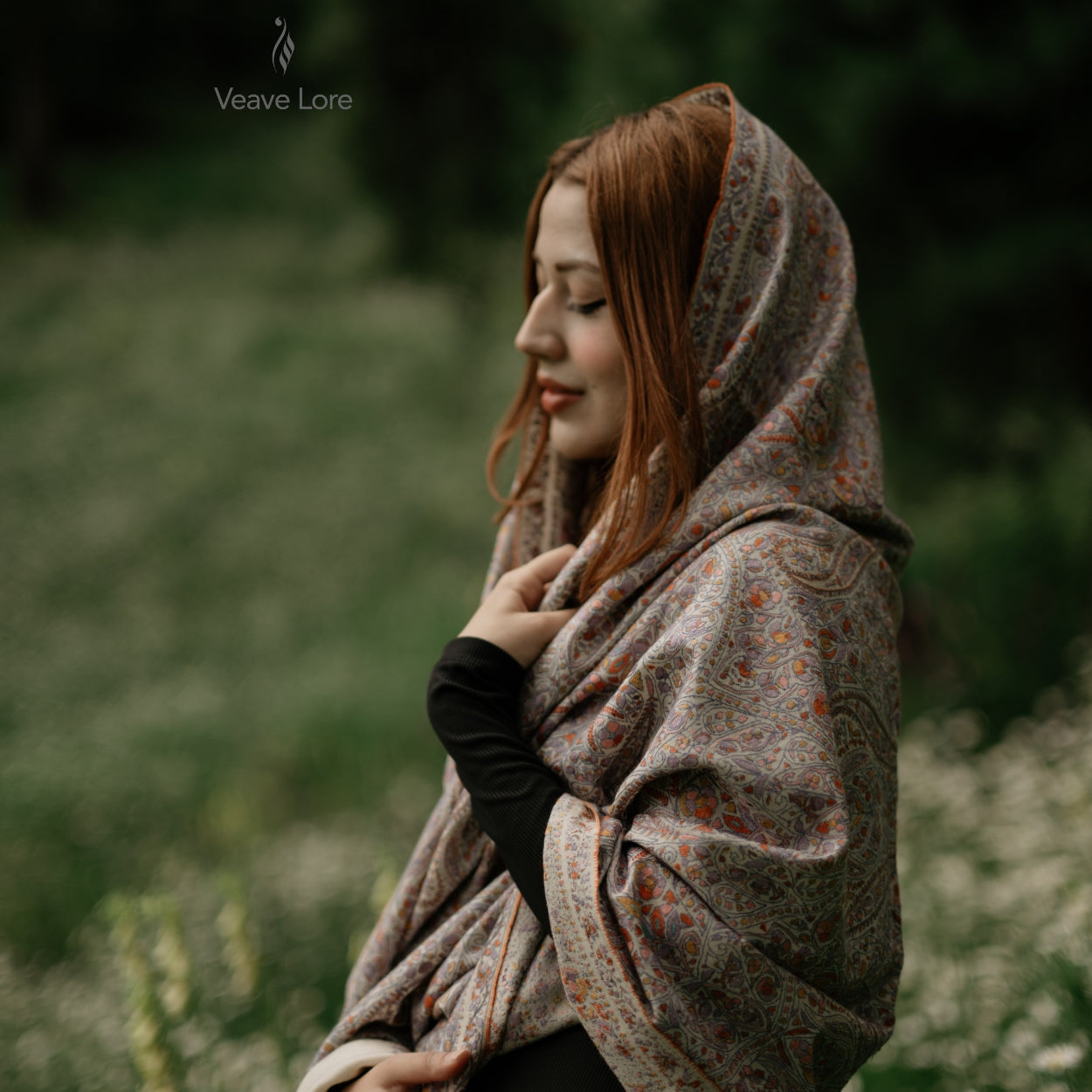
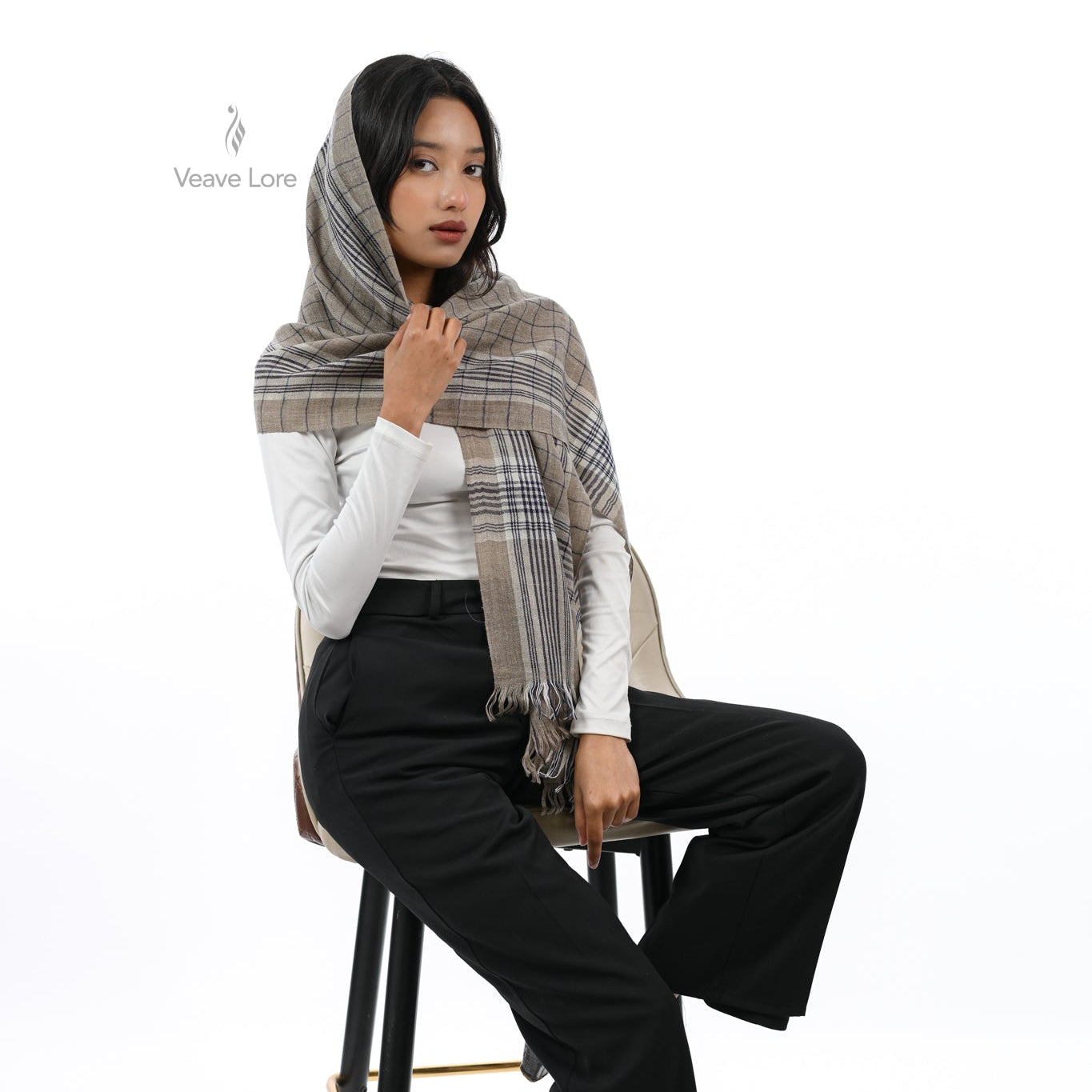
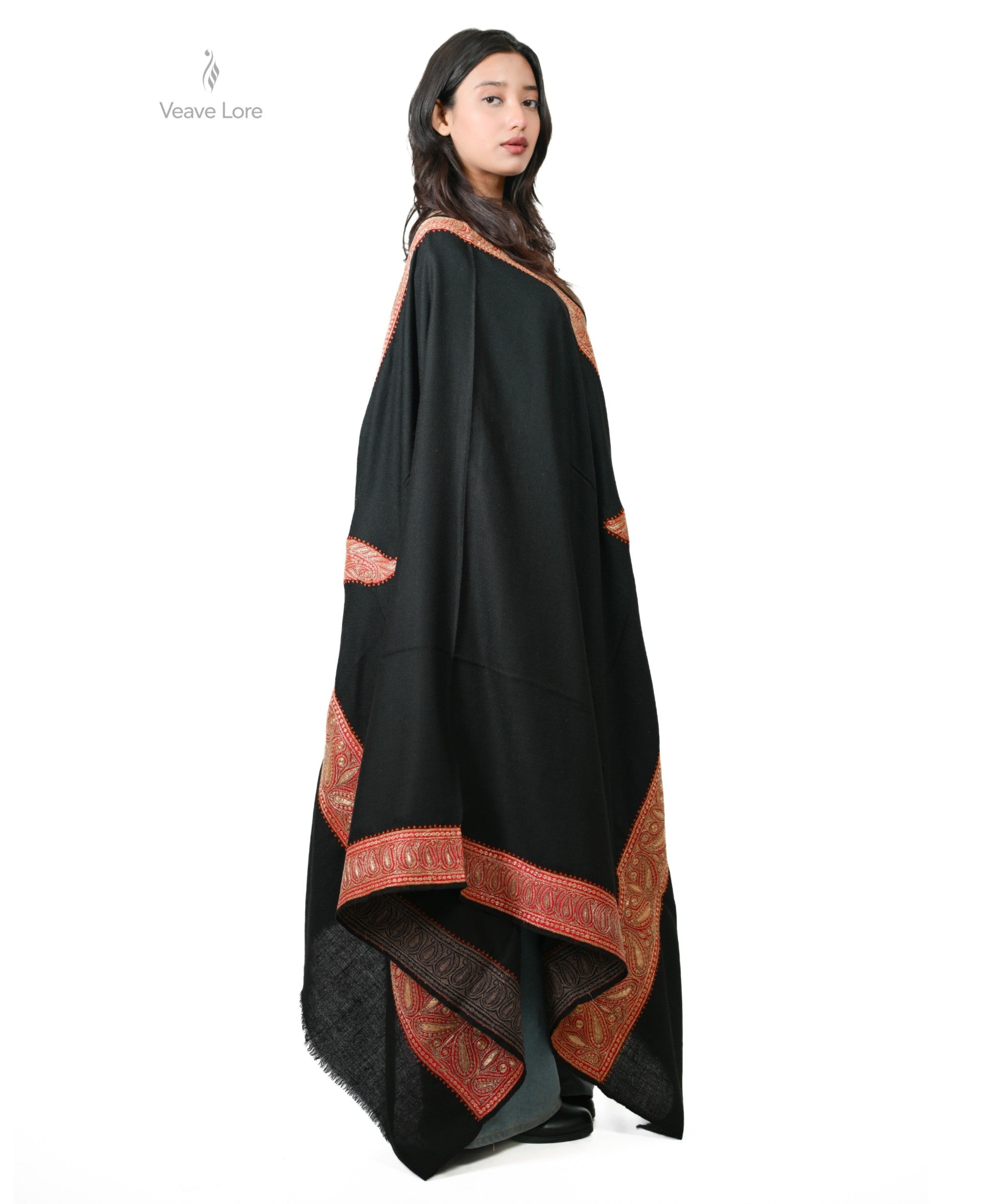
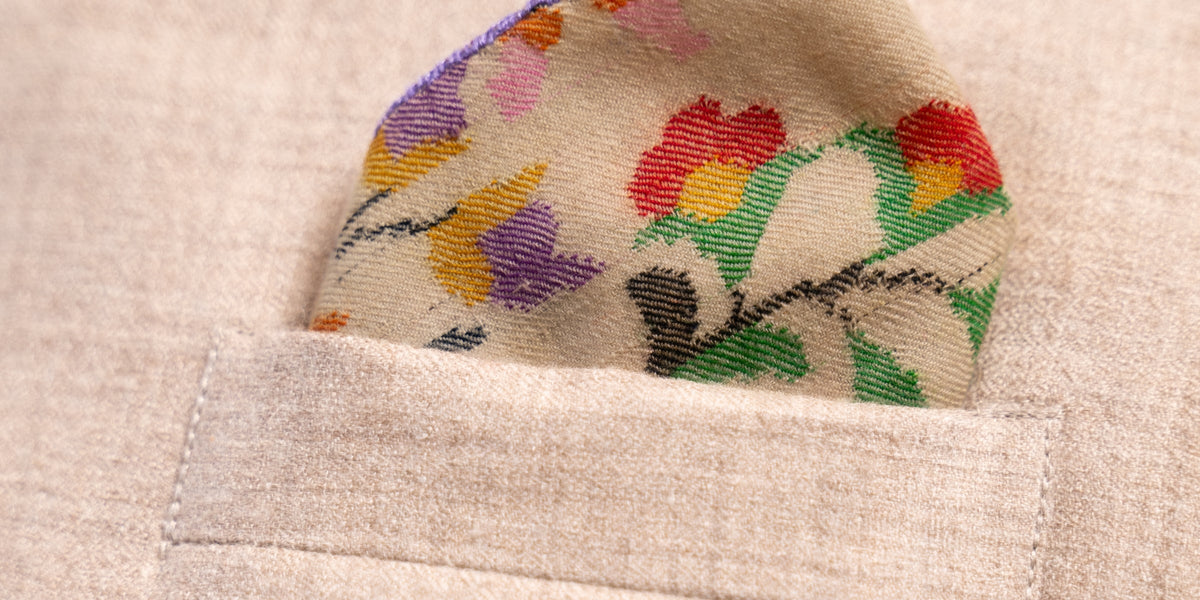
Heavily embroidered shawl or densely patterned pieces tend to get lost once partially hidden under a coat, since so much of their visual interest depends on being fully visible. A solid colour, a subtle check, or a gentle ombre tends to read more clearly in the small glimpse a layered shawl actually shows, which makes simpler weaves genuinely more practical for this specific styling purpose than the most elaborate pieces in a wardrobe, even though those elaborate pieces might win on their own for a fully visible evening drape.
What to Avoid When Layering
1. The most common mistake is choosing a shawl heavy enough to add real bulk once it is compressed under a coat's own structure, which pulls both pieces out of shape rather than sitting neatly.
2. The second is colour clashing rather than colour coordinating, since a layered shawl usually shows only a small strip of itself and that strip needs to genuinely work with the coat's colour rather than simply not matching badly.
Keeping both of these in mind turns layering from a bulky compromise into an outfit choice that looks deliberate rather than like an afterthought reached for at the door on a cold morning.
Building a Small Layering Wardrobe Rather Than One Shawl for Everything
Trying to make a single shawl do every job across a whole winter is usually where layering starts to feel like a compromise rather than a styling choice. A finer, plainer stole kept specifically for wearing under coats, separate from a heavier or more decorative shawl saved for evenings when it can be fully seen, solves most of the tension described above before it even becomes a problem. This does not need to mean buying more than necessary, simply being deliberate about which piece in an existing wardrobe is assigned to which role, so the right shawl is already on hand rather than being decided on the spot each cold morning.
Worth noting too is that layering works in the other direction as well, not only shawl under coat but shawl as the last thing added before stepping outside, draped over a coat rather than tucked beneath it for a short, cold walk between a car and a door. Used this way, a shawl functions almost like a final, removable layer, added only for the coldest stretch of a journey and then folded away once indoors, which is arguably the single most practical use of a pashmina piece through an unpredictable October or November in North India.
Reading the Day Before You Dress
Because this kind of weather rarely announces itself clearly first thing in the morning, it helps to think about the full day rather than just the moment of leaving the house. A morning meeting in an air conditioned office, an afternoon outdoors, an evening that turns properly cold once the sun goes down- each of those stretches calls for a slightly different layering decision, and a shawl earns its place precisely because it can be added or removed to match each of them without needing an entirely different outfit for every few hours. Packing a stole into a bag on an uncertain day, rather than deciding at the door whether to bring one at all, tends to be the small habit that makes the biggest difference once the weather inevitably shifts partway through.
None of this needs to be complicated in practice. A single well chosen shawl, a coat that already works well in the wardrobe, and a little attention to proportion and colour cover almost every layering situation this kind of transitional season is likely to produce. The goal is not a different outfit for every degree of temperature change, simply one flexible piece that can move with the day rather than fighting against it.
Frequently Asked Questions
Q. Can a pashmina shawl really be worn under a structured coat without adding bulk?
Yes, because pashmina's warmth comes from trapped air between fine fibres rather than sheer material thickness, which allows it to add real insulation without visibly changing a coat's silhouette.
Q. What size shawl works best layered under a coat?
A finer stole or a moderately sized shawl tends to work better than a large, heavily draped piece, since a more structured coat needs less volume underneath it to avoid competing at the shoulders.
Q. Does the embroidery on a shawl matter for layering under a coat?
It matters more than people expect. Heavily embroidered pieces lose most of their visual impact once mostly hidden, so a solid colour or subtle check tends to read more clearly in the small strip a layered shawl actually shows.
Q. How should a shawl be draped under a long overcoat specifically?
Folded narrow and tucked in at the neck, showing a slim strip above the coat's own collar line, rather than draped fully over the top of a structured coat.
Q. What is the most common mistake when layering a shawl under a coat?
Choosing a shawl heavy enough to add real bulk once compressed under the coat's structure, which pulls both pieces out of shape rather than sitting neatly together.

Written by Veave Lore

Leave a comment
This site is protected by hCaptcha and the hCaptcha Privacy Policy and Terms of Service apply.